
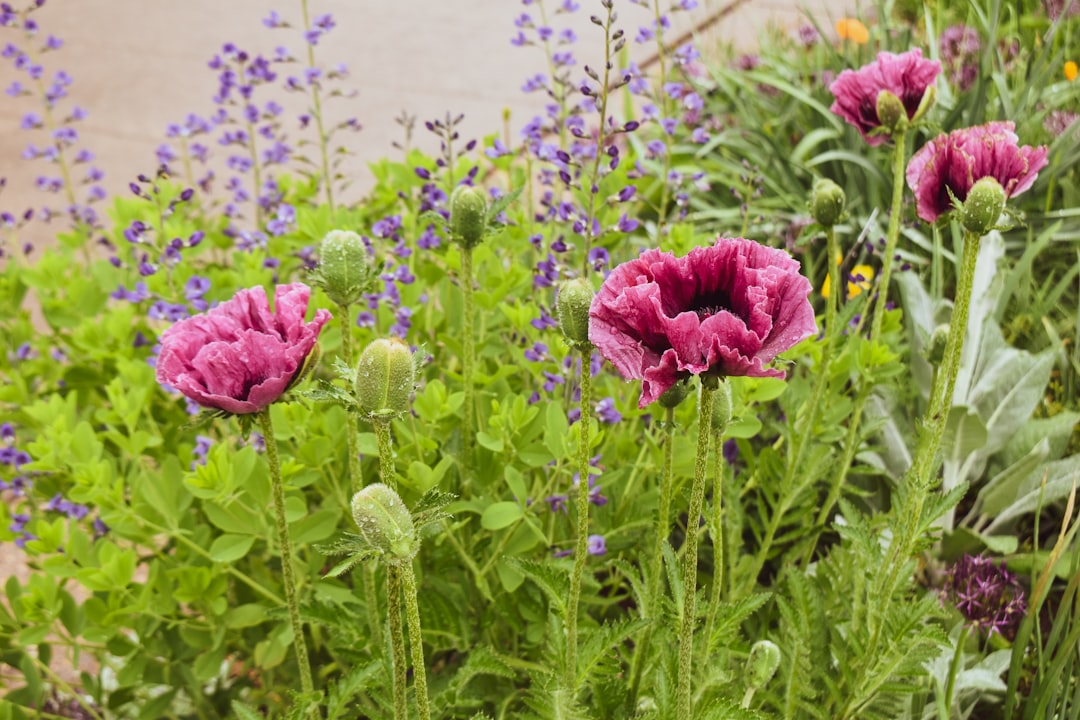
The Benefits of Companion Planting in Your Home Garden
Companion planting is a gardening technique that has gained popularity among home gardeners for its numerous benefits. This method involves planting different crops in proximity for mutual benefit, enhancing growth, repelling pests, and improving overall garden health. In this article, we will explore the value of companion planting, particularly in the context of our local community in Springfield, where residents have experienced remarkable results.
One of the primary motivations for adopting companion planting is the desire to create a thriving garden while minimizing the use of chemical pesticides and fertilizers. Many homeowners are increasingly aware of the environmental impact of traditional gardening practices and are seeking sustainable alternatives. Companion planting offers a natural solution by utilizing the relationships between plants to deter pests and enhance growth.
For instance, in Springfield, a community garden initiative implemented companion planting techniques and saw a 30% reduction in pest-related damage over a single growing season. By pairing tomatoes with basil, gardeners not only enjoyed a bountiful harvest but also noticed that the aromatic basil helped repel common tomato pests. This case study highlights how companion planting can lead to healthier plants and a more productive garden.
Another significant benefit of companion planting is its ability to improve soil health. Certain plants, such as legumes, have the unique ability to fix nitrogen in the soil, enriching it for neighboring plants. In Springfield, local gardeners reported that incorporating legumes into their planting schemes resulted in a noticeable improvement in soil quality, leading to a 20% increase in crop yields. This outcome emphasizes the importance of understanding plant relationships and their impact on soil vitality.
Moreover, companion planting can also enhance the flavor and nutritional value of crops. For example, planting carrots alongside onions can not only deter pests but also improve the taste of the carrots. Gardeners in Springfield have shared their experiences of enjoying more flavorful produce, which has encouraged them to experiment with various plant combinations.
The social aspect of gardening is another compelling reason to embrace companion planting. Community gardens in Springfield have become hubs for sharing knowledge and experiences. Gardeners often exchange tips on successful pairings and learn from each other’s successes and failures. This collaborative spirit fosters a sense of community and encourages more residents to engage in gardening, ultimately leading to a greener neighborhood.
In addition to these benefits, companion planting can also save time and resources. By strategically planting compatible crops, gardeners can reduce the need for weeding and maintenance. For example, planting marigolds alongside vegetables can help suppress weed growth, allowing gardeners to spend less time on upkeep and more time enjoying their gardens. In Springfield, residents reported saving an average of 10 hours per season on garden maintenance due to the effectiveness of companion planting.
For those interested in exploring companion planting, it is essential to research which plants work well together. Resources such as local gardening clubs, extension services, and online forums can provide valuable insights. Additionally, consulting with professionals from Verdant Harbor can offer tailored advice on implementing companion planting in your garden.
In conclusion, companion planting presents a multitude of benefits for home gardeners, from pest control and soil health to enhanced flavors and community engagement. The success stories from Springfield demonstrate the tangible outcomes that can be achieved through this sustainable gardening practice. By adopting companion planting techniques, you can create a flourishing garden that not only meets your needs but also contributes positively to the environment and your community.